On the Label: Centella Asiatica
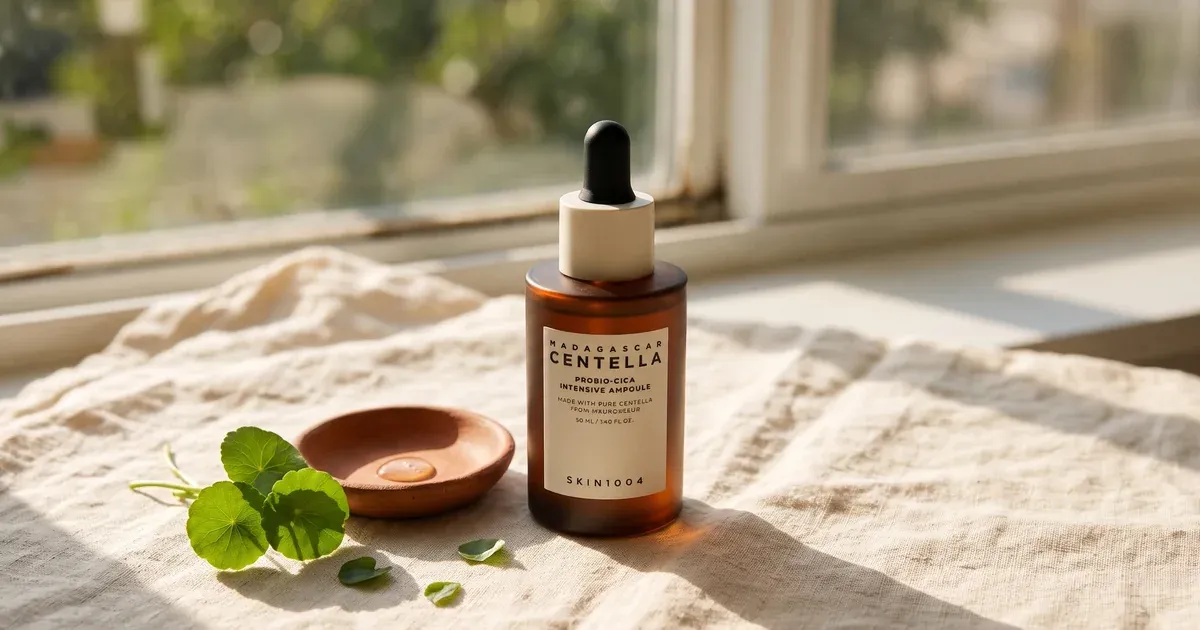
Centella asiatica. A medicinal herb native to Asia, also sold as cica, tiger grass or gotu kola[1]. It grows mainly in India and Pakistan, and also in Madagascar, equatorial Africa, Central America and tropical Oceania[2]. In skincare it’s there to soothe and support your skin, not to treat skin conditions. This entry pulls together a published study, a review and a health feature, numbered at the end.
What do cica and madecassoside on a label mean?
Cica is simply a short name for the plant[1]. Madecassoside is something else: it’s one of four compounds in centella that researchers single out for skin, along with asiaticoside, asiatic acid and madecassic acid[3]. So “madecassoside” on a label names one of those compounds, while “Centella Asiatica Extract” in an ingredient list names the plant extract itself.
The plant isn’t new to skin care. Traditional Asian medicine has used it for hundreds of years on small wounds, scratches and burns[2].
What did a skin study find?
In one study, 25 volunteers applied creams and gels with 2.5% or 5% centella extract to their forearms, twice a day for four weeks[3]. With the 5% versions, skin hydration rose by 25% for the cream and 22% for the gel. Water loss through the skin fell by 18% and 15%, against 5% for the same base without centella.
The researchers also made small patches of skin red on purpose. Every centella formula calmed that redness more than the untreated skin and the plain base did.
That fits the soothing claim on many cica labels. But it’s one small study, on forearms rather than faces, in volunteers with healthy skin. Nobody tested it in heat or a day of air conditioning.
Is it gentle, and can you use it with other actives?
In the same study, a 48-hour patch test under tape showed no irritation or allergic reaction[3]. Gentle isn’t the same as risk-free, though. A review notes that centella can cause local allergic reactions and burning, especially when used on the skin[2]. A health feature adds that side effects are rare but can include allergic contact dermatitis, a red, itchy rash, and that anyone known to react to the plant should avoid it[1].
Because it’s soothing, it works alongside most skincare ingredients, and you can apply it after stronger actives such as retinoids or acids[1]. For layering in summer, see mixing serums without stinging. For how a centella ampoule compares with hyaluronic ones, see hydrating ampoules for heat and air conditioning.
Try anything new on a small patch first and add one product at a time. If your skin reacts, stop and see a dermatologist.
Where to buy, by country
Some of these links earn Sunwise a commission.
SKIN1004 Madagascar Centella Probio-Cica Intensive Ampoule (50ml)
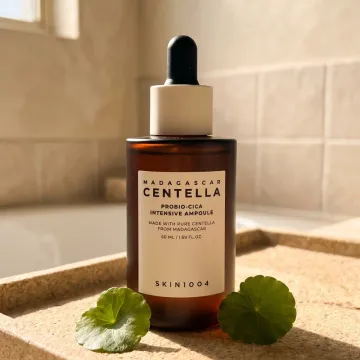
| Country | Where | Price |
|---|---|---|
| Israel | Olive Young Global | US$22.00checked |
MEDIHEAL Madecassoside Blemish Pad (100 pads)
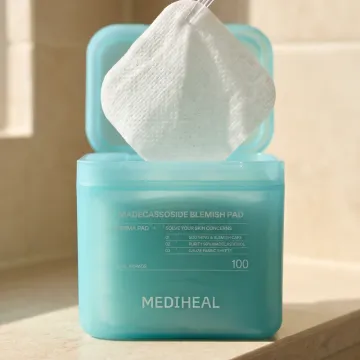
| Country | Where | Price |
|---|---|---|
| Israel | Olive Young Global | US$24.09checked |
Prices move. Check the total at checkout before you pay.
Sources
- [1]What is Centella Asiatica in Skin Care?, NBC Select (read )
- [2]Centella asiatica in cosmetology, Advances in Dermatology and Allergology (read )
- [3]Moisturizing and Antiinflammatory Properties of Cosmetic Formulations Containing Centella asiatica Extract, Indian Journal of Pharmaceutical Sciences (read )